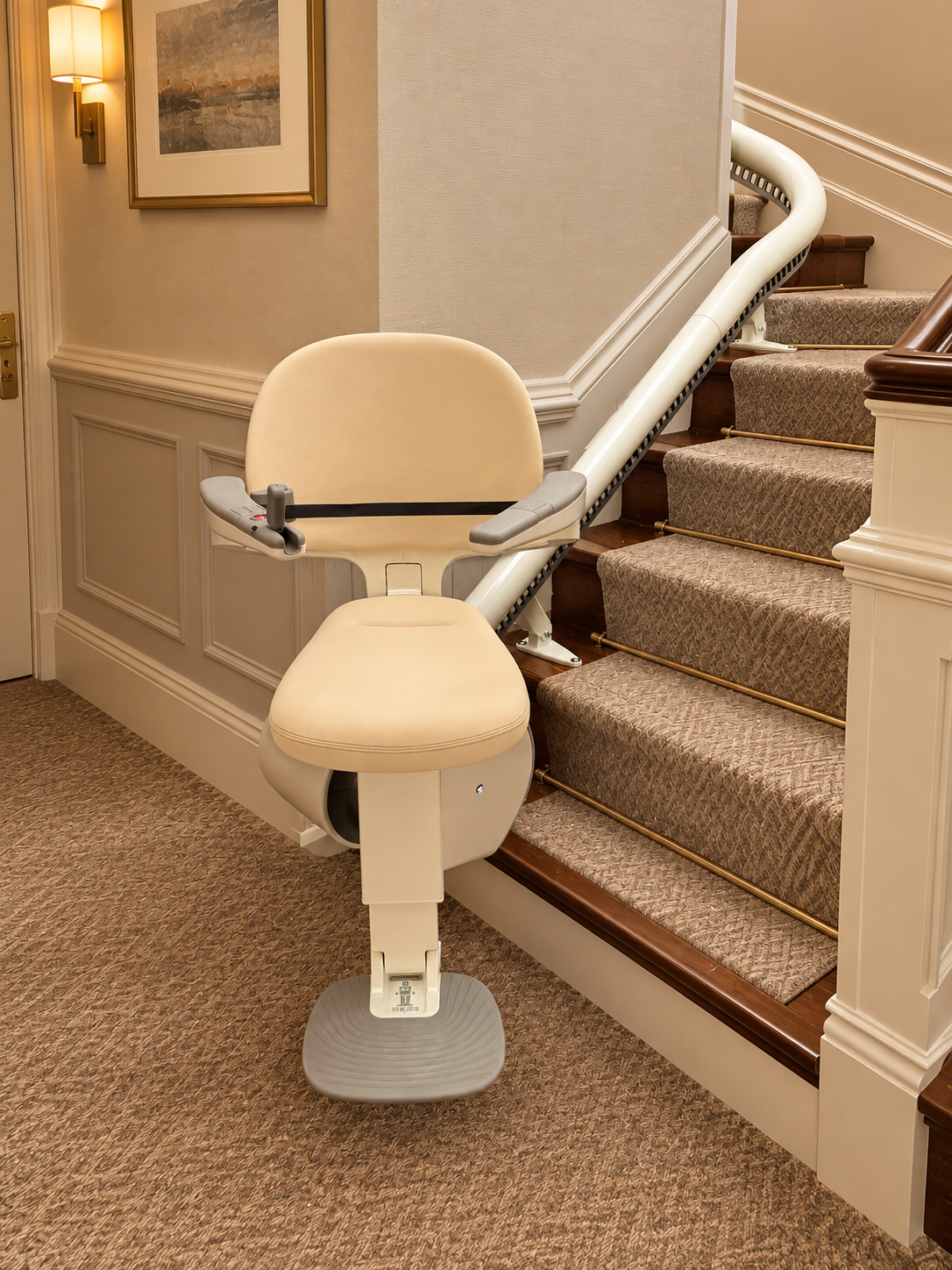
Begin enjoying your home again after disability with a home lift specifically designed for the disabled. Wheelchair-sized and conveniently placed, you can be transported from floor to floor with ease. Stairlifts work very well for the disabled; we discuss these in our blog. However, many people prefer the look and style of a disabled lift. So, here we shall explain the benefits and disadvantages to help you decide on your best home lift for the disabled.


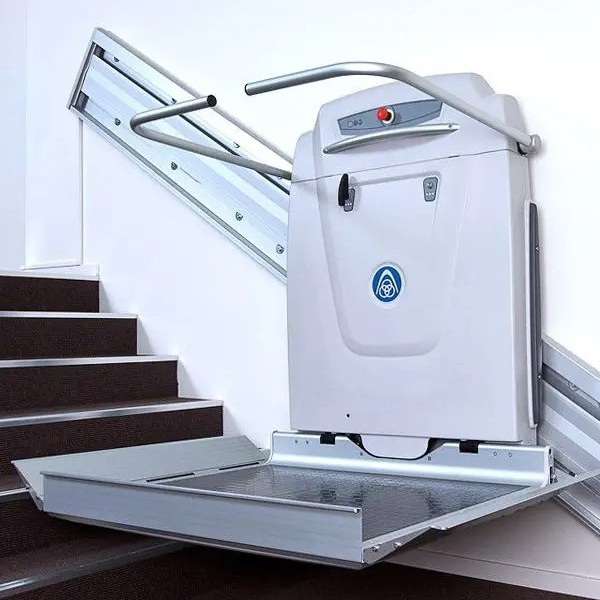

Disabled lifts
These specially designed lifts accommodate disabled people instead of home lifts for the elderly. Wide and deep enough for your wheelchair or other mobility devices and calibrated for the additional weight needed by disabled people. Controls are set in the right place for a seated passenger and are easy to operate.
Benefits of a home lift
The most significant benefit of installing a home lift is the freedom to move around your home again. You can choose where to site the disabled lift instead of a stairlift. However, structural consideration will make the final dictation as to positioning.
Modern styles are much sleeker than older cumbersome lifts. Glass sides and compact supports mean they can blend into your home. Often discreetly installed in corners or within the curve of your stairs, allowing you to keep your floor space. Some home lifts are even a possible installation within an airing cupboard.
Modern home lifts are available in a variety of styles and materials. You can choose wood, metal or fabric finishes, plus an extensive array of colours to suit your home.
Quiet and energy efficient, using around the same power as a kettle. Hidden in the top are the electric lift motors, so there is no need for a plant room. Plus, we can undertake a typical installation in a day or two.
Anyone can safely use the lift to move heavy suitcases or boxes up and down stairs.
Installing a home lift can increase the value of your home and, of course, negates having to move to accommodate your disability.
Disadvantages of a home lift for the disabled.
The first disadvantage is the loss of some space, though, as we said, home lifts are sleeker today, so the loss is minimal.
Costs are the next, though surprisingly cheaper than you may imagine. Grants are available to help you purchase.
Types of Home lifts for wheelchairs
Platform lifts
This type of lift comprises a flat surface surrounded by barriers. It moves from one level to another. We’d use these lifts in an open-plan gallery stairwell where there is no floor to travel. Examples are the Terry, Cibes, and the Gulliver pronto from Altura. If this is your situation, please get in touch with us for further advice.
Through Floor Lifts
Most homes will require a through-floor lift; we at Anglian Lifts are proud to say we can install many makes and designs. We are sure to find the perfect fit for you. Through-floor lifts are enclosed. As they travel through the floor, there is an opening. The lift covers the opening to stop people from falling in.
Pneumatic Vacuum Elevators (PVE)
PVE work using air rather than an electric motor. The PVE30, PVE37, and PVE52 are some examples of this type of PVE. Wheelchair users need larger models, though there are some available. Check out our blog on an installation of a PVE. We have the experience and expertise to fit these types of lifts in your home.
The best home lift for the disabled
Each situation and specific need will dictate the best home lift for the disabled client. Investing in a home lift will give you the independence you deserve and let you enjoy your own home again. Therefore, the best home lift for you is the one that works in your home and is within your budget.