At Anglian Lifts, we understand that choosing the right stairlift is not just about selecting a product—it’s about ensuring the perfect fit for both the home and the individual user. Every home and every customer is unique, and our in-home stairlift assessment process allows us to provide tailored solutions that enhance mobility, safety, and ease of use. Here’s a closer look at how we assess a customer’s needs and determine the most suitable stairlift.
Assessing the Home for the Right Stairlift
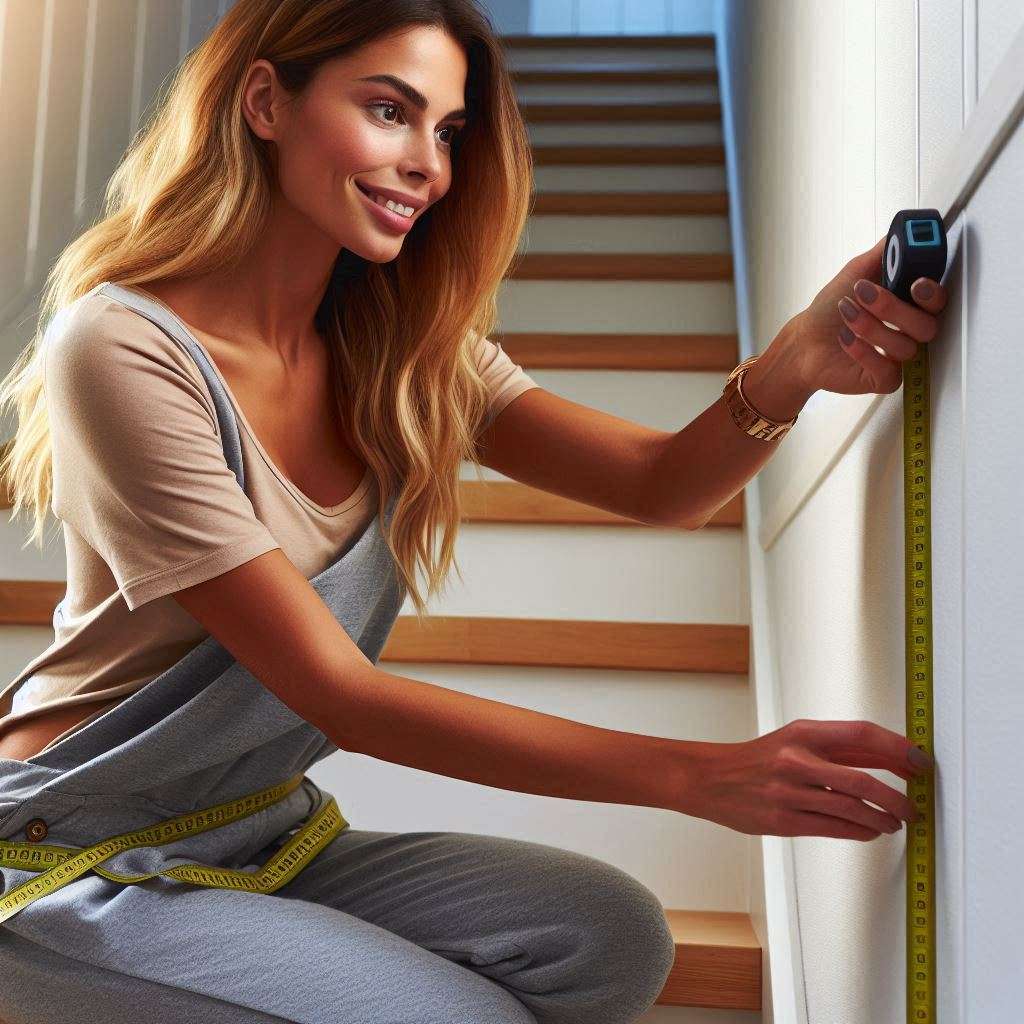
The first step in our stairlift assessment process is evaluating the physical layout of the home. This ensures that the stairlift we recommend will fit perfectly and operate smoothly. Key factors we consider include:
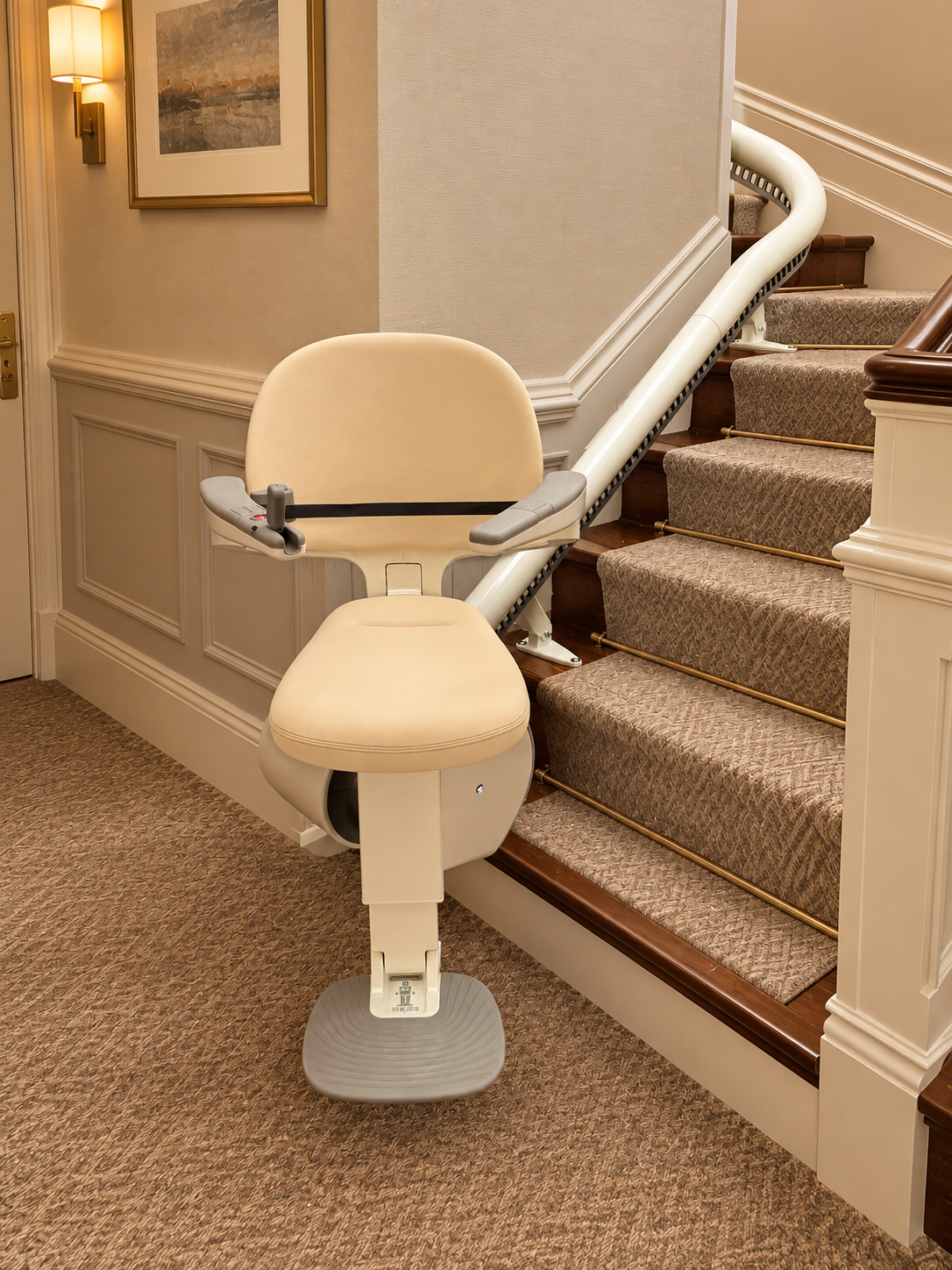
- Staircase Type: The shape and structure of the staircase significantly impact the choice of stairlift. Straight staircases can accommodate a standard straight stairlift, while curved or multi-landing staircases require custom-made curved models tailored to the specific layout.
- Width of the Stairs: Narrow staircases may require a compact stairlift model with a slimline rail to ensure there’s still space for others to walk up and down safely.
- Headroom and Clearance: We check for obstructions like low ceilings, doorways, or radiators that may impact the installation.
- Power Supply: Stairlifts require a power source, so we ensure that a suitable electrical connection is available nearby or advise on installation options.
- Entry and Exit Points: We assess where the user will get on and off the stairlift to ensure these areas are safe, accessible, and allow comfortable movement.
Assessing the User’s Needs
Every client has unique mobility challenges, and we tailor our stairlift recommendations based on their individual needs. Some key factors we consider include:
Physical Mobility & Dexterity
Customers with limited hand strength, arthritis, or other conditions that affect dexterity may struggle with standard controls. In such cases, during the stairlift assessment, we may recommend:
- Ergonomic or joystick controls for easier operation.
- Powered footrests to eliminate the need for bending down.
- Remote control operation so a caregiver can assist with operation if needed.
Cognitive Function & Memory
For individuals with conditions such as dementia, remembering how to operate a stairlift may be a challenge. To ensure safe and stress-free use, we may recommend:
- Simplified controls with clear visual instructions.
- Caregiver control systems to allow assistance when needed.
- Audible alerts to confirm when the lift is moving or stopped.
Vision Impairment
For those with low vision or blindness, safety and usability are paramount. We assess whether the user would benefit from:
- Audible notifications to indicate when the lift is in motion or at a stop.
- High-contrast buttons to make controls easier to see.
- Tactile or braille controls for easier navigation.
- Safety lighting to ensure visibility during use.
Multi-User Households
In homes where multiple people will use the stairlift, additional features can improve convenience and accessibility. We consider:
- Powered swivel seats to accommodate different users’ needs.
- Multiple remote controls so various household members can call the lift when needed.
- Height-adjustable seating to ensure comfort for different users.
Weight Capacity
Different stairlifts have varying weight capacities, and we ensure the model we recommend can safely support the user’s weight. If necessary, we provide heavy-duty models with wider seats and reinforced rails.
Medical Conditions & Future-Proofing
We always take into account not just a client’s current mobility but their potential future needs. Conditions like multiple sclerosis or progressive arthritis may require a stairlift with additional support features, such as:
- Adjustable seating and footrests for long-term comfort.
- A stand-perch model for users who find it difficult to sit down or stand up.
- Upgradable features to accommodate changing needs.
Safety Considerations
Safety is our top priority. During the assessment, we identify any potential risks and recommend features such as:
- Safety sensors that stop the lift if an obstruction is detected.
- Seat belts to keep the user secure during travel.
- Battery backup so the lift can still operate in the event of a power cut.
- Locking mechanisms to prevent unauthorized or unsafe use by young children.
A Customer-Centered Approach
At Anglian Lifts, our in-home stairlift assessment is about more than just measurements—they’re about understanding the individual. We take the time to listen to the customer’s concerns, preferences, and lifestyle requirements to ensure we provide the best possible solution. By carefully assessing both the home and the user’s specific needs, we help families regain independence, improve safety, and enjoy the comfort of their home for years to come.
If you or a loved one are considering a stairlift or stairlift assessment, our team is here to provide expert advice and a no-obligation in-home assessment. Contact Anglian Lifts today to learn how we can help make your home more accessible.

Get in Touch with Anglian Lifts
If you would like to arrange a free, no-obligation home stairlift assessment, our friendly team is ready to help. We are committed to providing expert advice, professional installation, and ongoing support to ensure the best possible stairlift solution for you. Contact Anglian Lifts today by calling 01733 971975, emailing enquiries@anglian-lifts.co.uk, or visiting our website at anglian-lifts.co.uk. Let us help you find the perfect stairlift for your needs.
*images created using AI imaging tools