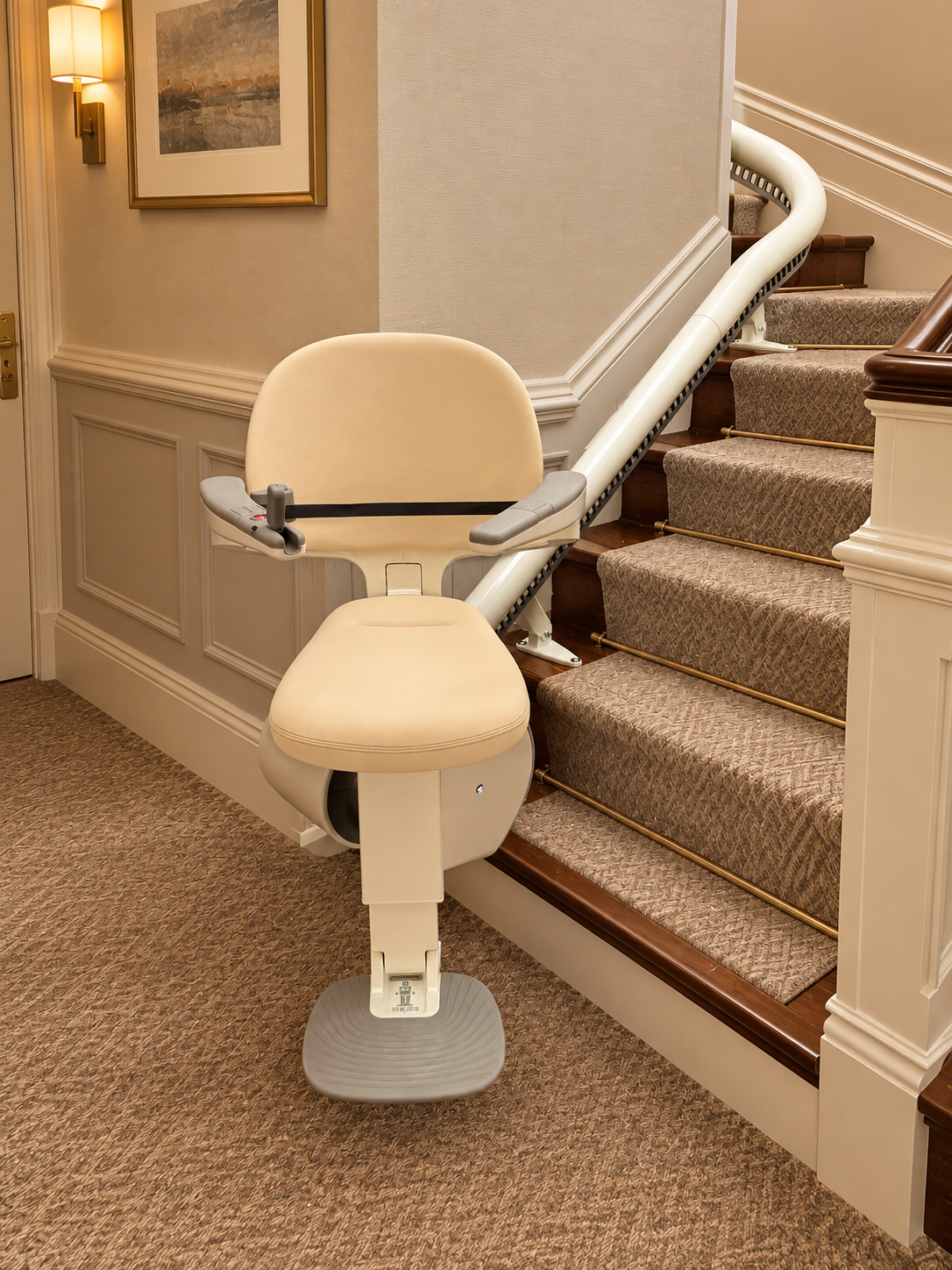
Platform lifts, essential for enhancing accessibility in both residential and commercial settings, rely on various drive systems to function. Each drive system has unique advantages and limitations that influence the performance, maintenance, and suitability for different applications. In this blog post, we’ll delve into the three primary types of drive systems used in platform lifts: screw drive, hydraulic, and cog belt systems. We’ll explore how each system operates, their benefits, and where they are best applied.
Screw Drive Systems

How It Works:
Screw drive systems utilize a threaded screw and a nut mechanism to move the platform. The platform is attached to the nut, which travels along the screw as it rotates. The screw can be driven by an electric motor.
Advantages:
- Precision and Stability: The screw drive mechanism offers precise control over the platform’s movement, ensuring stable and smooth operation. This makes it ideal for applications requiring accurate stopping points.
- Safety and Reliability: The threaded design inherently prevents the platform from slipping or falling, even in the event of a power failure, enhancing safety.
- Minimal Maintenance: Screw drives require less maintenance compared to hydraulic systems because they have fewer components that can wear out or leak.
Limitations:
- Speed: Screw drives typically operate slower than hydraulic systems, which may be a drawback in situations where quicker elevation changes are needed.
- Noise: The mechanical action of the screw and nut can generate more noise compared to other drive systems, which might be undesirable in noise-sensitive environments.
Best Applications:
Screw drive systems are well-suited for residential platform lifts and low-usage commercial lifts where safety, precision, and low maintenance are top priorities.
Hydraulic Drive Systems

How It Works:
Hydraulic systems operate using fluid power. They employ a hydraulic pump, reservoir, and cylinder. The pump moves hydraulic fluid into the cylinder, pushing a piston that raises the platform. To lower the platform, the fluid is released back into the reservoir.
Advantages:
- Smooth and Powerful: Hydraulic systems provide smooth and powerful lifting capabilities, making them ideal for moving heavy loads over significant distances.
- Quiet Operation: The fluid mechanics of hydraulic systems generally produce less noise compared to mechanical drives like screw and cog belt systems.
- Flexibility: They can easily be adapted to a variety of lift configurations, including those with complex paths and varying lift heights.
Limitations:
- Maintenance: Hydraulic systems require regular maintenance to check for leaks, fluid levels, and to ensure the integrity of the seals and hoses.
- Environmental Concerns: Potential fluid leaks can pose environmental hazards and require immediate attention to prevent contamination.
Best Applications:
Hydraulic drive systems are perfect for commercial buildings, public spaces, and industrial applications where the lift may need to handle heavy loads and longer travel distances with minimal noise.
Cog Belt Drive Systems

How It Works:
Cog belt systems use a toothed belt that runs over cogged pulleys. The motor drives the belt, which moves the platform by engaging with the cogs on the pulleys. The teeth on the belt and pulleys ensure a non-slip, synchronized movement.
Advantages:
- Quiet and Smooth: Cog belt drives operate with very little noise and provide smooth, continuous movement, which is beneficial for environments where quiet operation is essential.
- Efficiency: These systems are highly efficient in terms of energy usage, as there is minimal friction and mechanical loss compared to other drive systems.
- Low Maintenance: With fewer moving parts and no fluid components, cog belt systems require less frequent maintenance and are easier to service.
Limitations:
- Load Capacity: While cog belt systems are excellent for light to medium loads, they may not be as suitable for extremely heavy loads compared to hydraulic systems.
- Durability: The belts can wear out over time and need to be replaced periodically to maintain optimal performance.
Best Applications:
Cog belt drive systems are ideal for residential lifts and commercial applications where a balance of quiet operation, efficiency, and low maintenance is desired.
Choosing the Right Drive System
Selecting the appropriate drive system for a platform lift depends on various factors including the intended use, load capacity, travel distance, and environment. Here’s a quick comparison to help you decide:
- Residential Use: Screw drive or cog belt systems are preferable for their safety, low maintenance, and quiet operation.
- Commercial Use: Hydraulic systems are often the best choice due to their powerful lifting capabilities and adaptability to different lift configurations.
- Public Spaces: Hydraulic systems offer smooth and quiet operation suitable for high-traffic areas.
- Industrial Use: Hydraulic systems can handle heavy-duty applications and long-distance travel more effectively.
Conclusion
Understanding the differences in drive systems for platform lifts is crucial for making an informed decision that meets your specific needs. Whether you prioritize precision, power, or quiet operation, there’s a drive system that fits the bill. By considering the unique features and benefits of screw drive, hydraulic, and cog belt systems, you can ensure the platform lift you choose will provide reliable and efficient performance for years to come.
If you have any questions or need further assistance in choosing the right platform lift for your needs, feel free to contact us. Our experts are here to help you make the best choice for enhancing accessibility and mobility in your space.
By understanding and selecting the right drive system, you can ensure that your platform lift provides the accessibility and convenience you need with the performance you can rely on.