As the population ages and mobility becomes a concern for many, the demand for solutions that provide independence and accessibility in homes has increased. Two popular options are homelifts and stairlifts. While they serve similar purposes, they have distinct features and benefits that cater to different needs. Understanding these differences can help you make an informed decision that best suits your requirements.
Homelifts vs. Stairlifts: Key Differences
1. Structure and Design
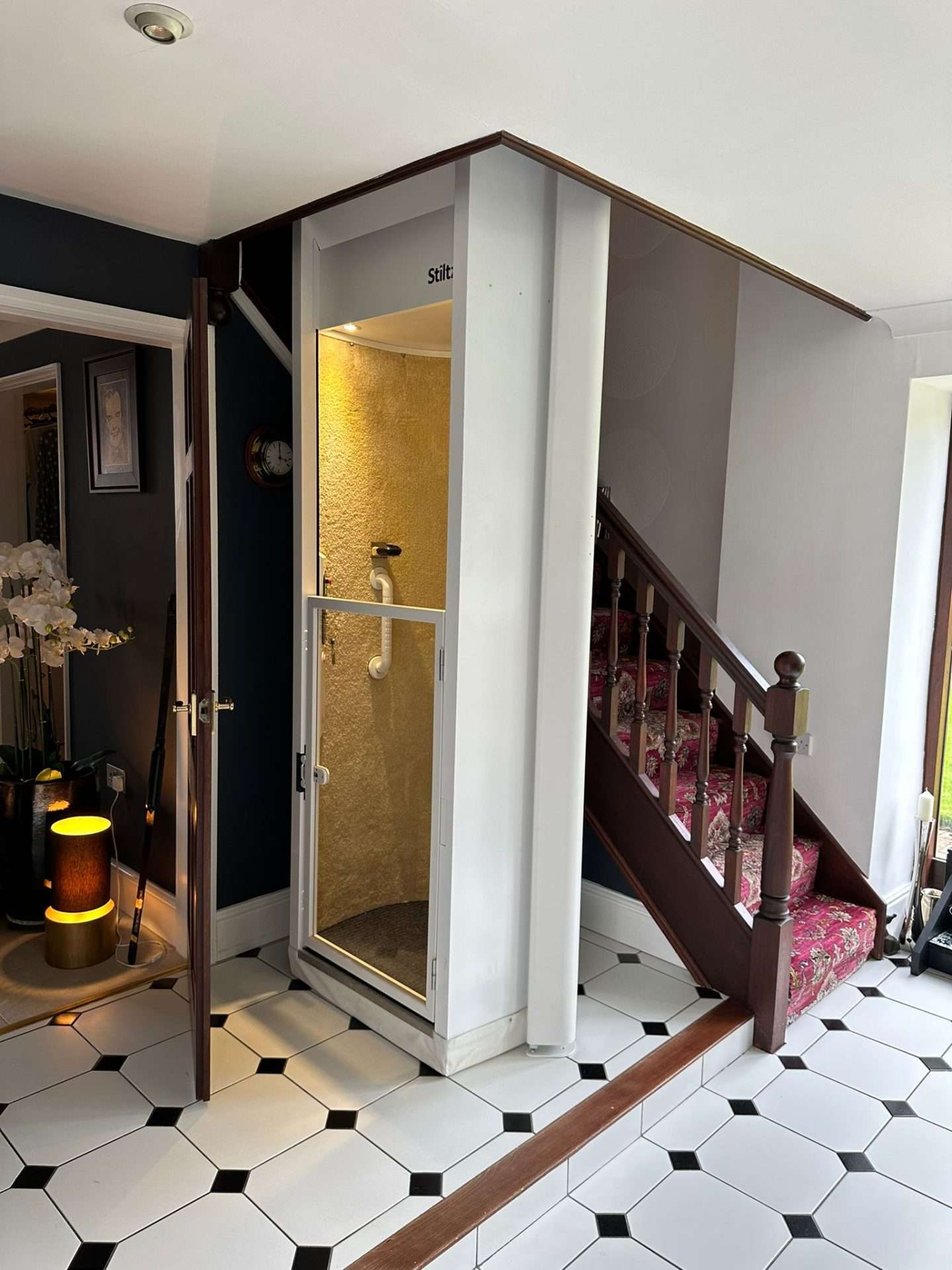
Homelift: A homelift is essentially a small, private elevator designed for residential use. It typically involves a vertical shaft or lift platform that moves between floors. Homelifts can be more complex to install as they require structural modifications and space for the lift shaft.
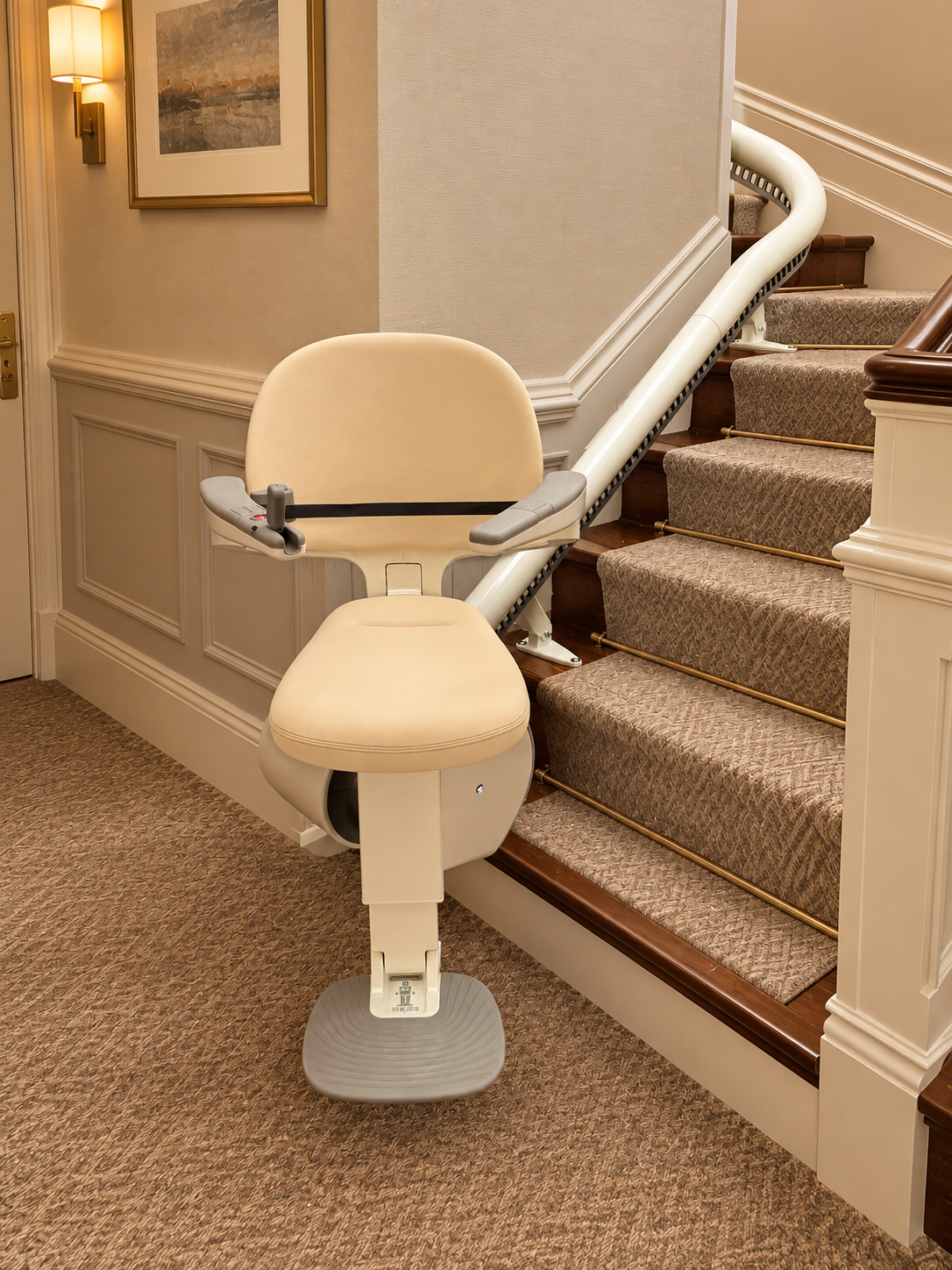
Stairlift: A stairlift, on the other hand, is a motorized chair or platform that travels along a rail mounted to the staircase. It doesn’t require extensive construction or space beyond the staircase itself, making it a less invasive option.
2. Installation Requirements
Homelift: Installing a homelift usually involves significant alterations to your home. You need to plan for space to accommodate the lift and its mechanical components. The process can be lengthy and might require permissions or building permits, depending on local regulations.
Stairlift: Stairlifts are typically easier and faster to install. They don’t require major structural changes and can often be fitted to both straight and curved staircases. The installation process can be completed within a few hours to a couple of days, depending on the complexity.
3. Capacity and Versatility
Homelift: Homelifts generally have a higher weight capacity and can accommodate multiple passengers or a wheelchair. They are versatile and can be designed to transport goods between floors, making them suitable for various needs beyond personal mobility.
Stairlift: Stairlifts are primarily designed for individual use and are less suitable for transporting goods or accommodating more than one person. Some models are designed to carry a wheelchair, but they are generally more limited in terms of capacity and functionality compared to homelifts.
4. Aesthetics and Space Considerations
Homelift: Homelifts can be customized to blend seamlessly with your home’s interior. They offer a range of design options that can match or enhance the décor, making them an attractive addition. However, they do require more space and can be a more prominent feature in your home.
Stairlift: Stairlifts are typically more functional than aesthetic. While there are some design options available, they are generally more visible and can take up space on your staircase, which might be a consideration in narrow or high-traffic areas.
5. Cost
Homelift: Homelifts are usually more expensive due to the complexity of installation and the structural modifications required. They represent a significant investment but offer greater functionality and versatility in the long run.
Stairlift: Stairlifts are more affordable and cost-effective, particularly for those needing a straightforward solution to navigate stairs. They are a practical choice for individuals looking for a less expensive and quicker installation option.
Benefits of Homelifts
- Greater Accessibility: Homelifts provide seamless access to all floors, which is particularly beneficial for wheelchair users or those with significant mobility challenges.
- Multi-Purpose Use: Besides transporting people, homelifts can be used to move heavy items between floors, enhancing the functionality of your home.
- Increased Property Value: Installing a homelift can add value to your home, making it more appealing to future buyers who might appreciate the added accessibility.
- Aesthetic Integration: Homelifts can be designed to complement your home’s architecture and interior design, adding both functionality and aesthetic appeal.
- Long-Term Solution: Homelifts offer a permanent solution that can accommodate evolving mobility needs over time, making them a good investment for future accessibility.
Benefits of Stairlifts
- Cost-Effective: Stairlifts are a more affordable option, making them accessible to a wider range of budgets without compromising on the functionality needed for safe stair navigation.
- Quick Installation: The installation process for stairlifts is quick and minimally invasive, making it an ideal solution for those who need immediate assistance.
- Minimal Space Requirement: Stairlifts don’t require significant space and are perfect for homes where adding a lift shaft is not feasible.
- Versatility in Application: Stairlifts can be installed on various types of staircases, whether straight or curved, making them suitable for a wide range of homes.
- Easy to Use: Stairlifts are user-friendly with simple controls, making them an excellent option for individuals with varying levels of technological comfort.
Conclusion
Both homelifts and stairlifts provide valuable solutions for enhancing mobility and accessibility within the home. The choice between the two depends on your specific needs, budget, and the layout of your home. A homelift offers a comprehensive, long-term solution that adds value and functionality to your home, while a stairlift provides a cost-effective, quick, and practical solution for immediate mobility needs. Understanding these differences can help you choose the best option to maintain independence and improve quality of life.
Whether you’re looking to make your home more accessible or planning for future needs, both homelifts and stairlifts offer unique advantages that can help you create a more inclusive living environment. Consider your current and future needs carefully to make the best choice for your home.
Feel free to share your thoughts or ask questions in the comments below. We’d love to hear about your experiences and how you’re making your home more accessible!
For more information and assistance in choosing the right mobility solution for your home, contact us today.